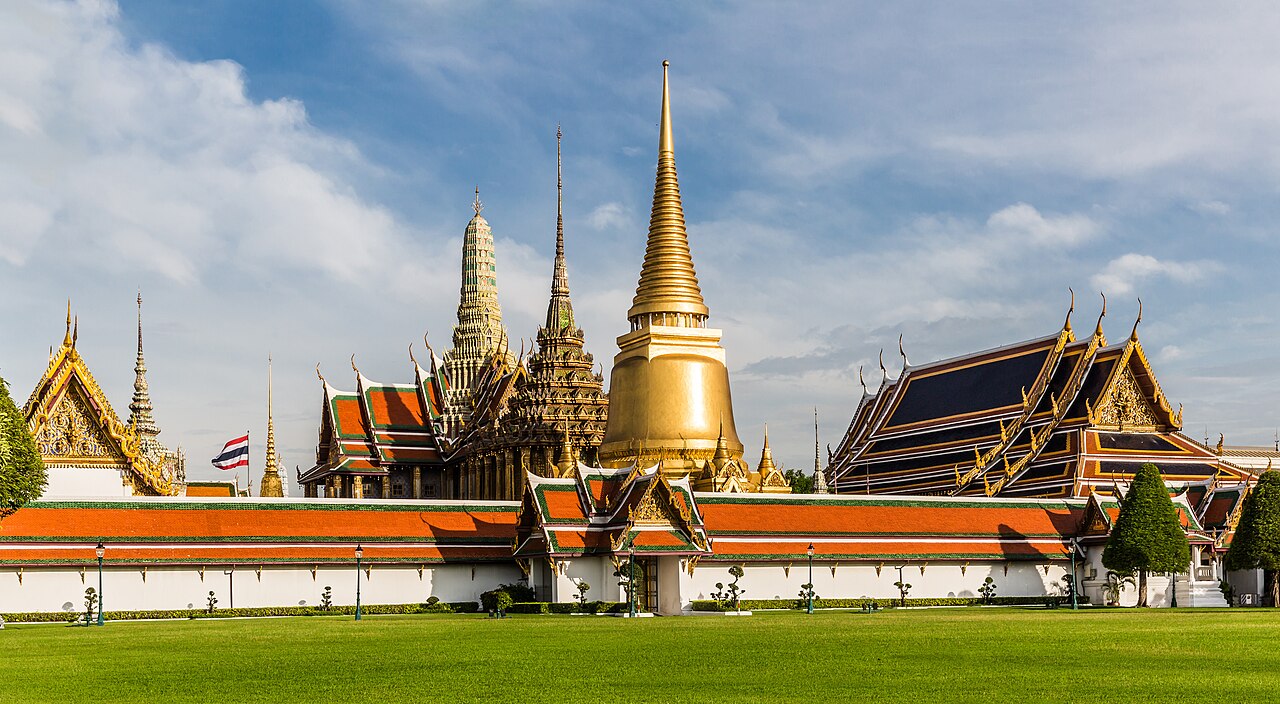
In the bustling heart of Bangkok, within the venerable walls of the Grand Palace, lies a sanctuary of unparalleled spiritual significance: Wat Phra Kaew, formally known as Wat Phra Si Rattana Satsadaram. Revered as the Temple of the Emerald Buddha, it stands not merely as an architectural marvel but as the enduring spiritual epicenter of the Thai nation, embodying centuries of devotion, history, and profound cultural identity.
The Sacred Tapestry of History
The genesis of Wat Phra Kaew is inextricably linked to the founding of Bangkok as the new capital by King Rama I in 1782. After establishing the Chakri Dynasty, the king commenced construction of the Grand Palace and, within its precincts, a royal temple to house the nation’s most sacred palladium. This was a deliberate act of establishing spiritual legitimacy and safeguarding the kingdom under the benevolent gaze of the Buddha.
The temple was designed without living quarters for monks, distinguishing it from other wats; its sole purpose is to serve as a sacred shrine for the monarch and the people. Its history echoes the deep-seated Buddhist faith that has permeated Thai society for millennia, offering a profound sense of continuity and protection.
The Emerald Buddha: A Palladium of the Nation
At the core of Wat Phra Kaew’s sanctity is the enigmatic statue of the Phra Kaeo Morakot, or the Emerald Buddha. Carved from a single block of lustrous green jade (despite its common appellation, it is not an actual emerald), this revered icon possesses a legendary origin story, said to have been created in India over two millennia ago. Its journey through various kingdoms—Sri Lanka, Cambodia, Laos (Vientiane), and finally across Thailand from Chiang Rai to Lampang, then Thonburi—is a captivating saga, each move signifying the transfer of spiritual power and legitimacy.
The Emerald Buddha is not a grand, imposing statue in terms of physical size, yet its spiritual aura is immense. It sits upon a high, gilded altar within the temple’s Ubosot (ordination hall), symbolizing its elevated status as the protector of Thailand and a direct link between the monarchy and the divine. A profound tradition surrounds the statue: three times a year, at the beginning of the hot, rainy, and cool seasons, His Majesty the King (or a designated senior royal) personally performs a sacred ritual to change the Buddha’s elaborate golden robes. This solemn ceremony is believed to bring good fortune to the nation for the coming season, underscoring the interconnectedness of royal power, Buddhist dharma, and national prosperity.
Architectural Grandeur and Spiritual Artistry
The architecture and artistry of Wat Phra Kaew are breathtaking, a testament to the pinnacle of Rattanakosin-era craftsmanship. Every surface, every structure, tells a story imbued with Buddhist cosmology and national pride:
- The Ubosot: The main ordination hall houses the Emerald Buddha. Its interior is adorned with intricate murals depicting the Jataka tales (stories of the Buddha’s past lives) and the Traiphum Phra Ruang (Buddhist cosmology). The exterior features exquisitely gilded and mirrored mosaics, reflecting light and symbolizing the brilliance of the Dharma.
- Phra Si Rattana Chedi: A magnificent golden chedi (stupa), inspired by Wat Arun, housing relics of the Buddha. Its shimmering gold leaf symbolizes purity and enlightenment.
- Phra Mondop: The library, a jewel-encrusted edifice containing sacred Buddhist scriptures (Tripitaka). Its tiered roof and intricate carvings are a visual feast.
- The Ramakien Murals: Encircling the entire complex within the cloisters are a continuous series of stunning murals depicting the entire epic of the Ramakien, Thailand’s national epic, a version of the Indian Ramayana. These vibrant paintings serve not only as artistic masterpieces but also as moral and ethical narratives.
- Mythical Guardians: Gates are guarded by imposing figures of Yakshas (giants), while various structures are adorned with intricate sculptures of Kinnara and Kinnari (mythical half-human, half-bird creatures), reflecting the rich tapestry of Buddhist and Hindu mythology interwoven into Thai culture.
A Sanctuary of Reverence and Mindfulness
Visiting Wat Phra Kaew is more than a tour; it is an immersion into a living spiritual tradition. Reverence is paramount. Visitors are expected to dress modestly, covering shoulders and knees, as a sign of respect for this sacred space. Upon entering the Ubosot, shoes must be removed, and silence maintained. Photography of the Emerald Buddha itself is strictly prohibited, encouraging contemplation rather than mere documentation.
This expectation of respectful conduct is not merely a rule but an invitation to practice mindfulness. To walk through the hallowed grounds, to observe the silent devotion of pilgrims, to marvel at the artistry, is to partake in a tradition of deep respect for the Buddha, the Dharma, and the Sangha. It is an opportunity to cultivate inner peace, reflect on the teachings of impermanence and compassion, and engage in the act of tham bun (making merit), contributing positively to one’s karmic journey.
Beyond the Stone: Enduring Spiritual Resonance
Wat Phra Kaew remains the spiritual anchor of Thailand, a poignant reminder of the nation’s profound Buddhist faith and its enduring monarchy. It is a place where history, art, and spirituality converge, offering solace and inspiration. For those who seek to understand the heart of Thai culture and the depths of its Buddhist devotion, a pilgrimage to Wat Phra Kaew is an essential and transformative experience, leaving an indelible impression of peace, beauty, and unwavering reverence.
Frequently Asked Questions (FAQ) & Key Concepts
Q: What is the main spiritual purpose of Wat Phra Kaew?
The primary purpose of Wat Phra Kaew is to serve as the most sacred Buddhist temple in Thailand, housing the revered Emerald Buddha (Phra Kaeo Morakot), which symbolizes the spiritual protection and prosperity of the nation and its monarchy.
Q: Is the Emerald Buddha made of actual emerald?
No, despite its name, the Emerald Buddha is carved from a single block of **green jade**, not an actual emerald. The term “emerald” refers to its vibrant green color.
Q: Who changes the robes of the Emerald Buddha and why?
His Majesty the King of Thailand (or a designated senior royal) performs the sacred ritual of changing the Emerald Buddha’s golden robes three times a year, marking the beginning of the hot, rainy, and cool seasons, believing it brings good fortune to the country.
Q: What is the significance of the Ramakien murals at Wat Phra Kaew?
The **Ramakien murals** depict the entire Thai national epic, a version of the Indian Ramayana, serving not only as exquisite artistic works but also as moral narratives that reinforce Buddhist principles and cultural values.
Q: What is the appropriate dress code for visiting Wat Phra Kaew?
Visitors are required to dress modestly, ensuring shoulders and knees are covered as a sign of respect for this highly sacred site. Shoes must also be removed before entering the Ubosot (main ordination hall).
Q: What is ‘Tham Bun’ in the context of visiting a Thai temple?
**Tham Bun** refers to the act of making merit, a core concept in Thai Buddhism. It involves performing good deeds, showing reverence, making donations, or engaging in mindful spiritual practices, all believed to generate positive karma.