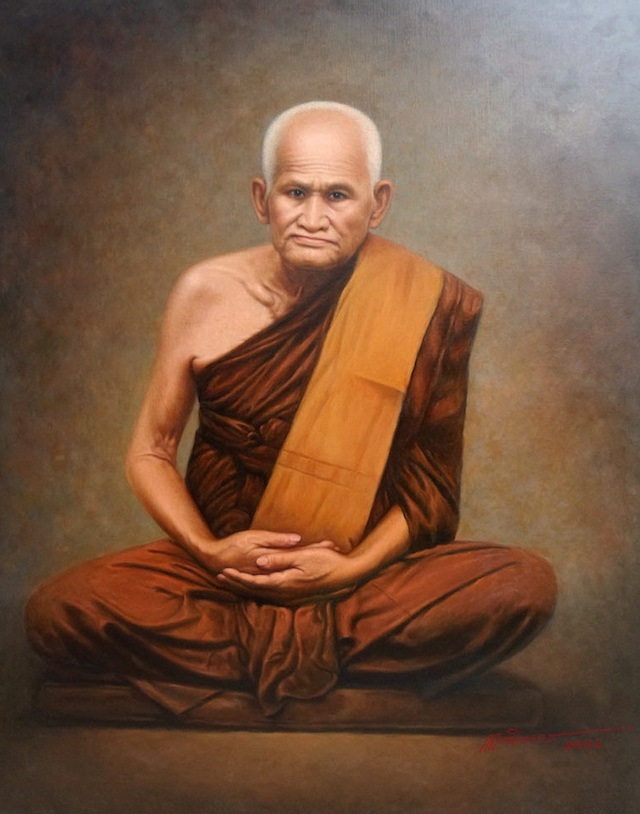
In the quiet reverence of Thai Buddhist tradition, certain names resonate with an almost mythical grace, embodying the pinnacle of spiritual attainment and compassionate service. Among these luminous figures is Luang Phor Ngern Buddho (หลวงพ่อเงิน พุทธโชติ) of Wat Bang Klan (วัดบางคลาน) in Phichit Province. His memory, preserved through timeless wisdom and the profound power attributed to his sacred amulets, continues to inspire millions. This article delves into the venerable life of Luang Phor Ngern, the spiritual essence of Wat Bang Klan, and the deep significance of his revered amulets of wealth and protection, understood within the compassionate framework of Buddhist philosophy.
The Venerable Life and Dhamma Path of Luang Phor Ngern
Born in 1808 (B.E. 2351) as Ngern Phuttachote in the Ban Wang Tako region of Phichit, Luang Phor Ngern’s life journey was destined for profound spiritual impact. From an early age, he exhibited a quiet wisdom and a deep inclination towards the Dhamma. He entered the monkhood at the age of 20 at Wat Tong Pu in Bangkok, receiving the monastic name Buddho, signifying “one who is awakened.”
During his monastic life, Luang Phor Ngern dedicated himself to rigorous meditation, extensive scriptural study, and the practice of Vipassana (insight meditation) and Samatha (calm abiding). He journeyed through various monasteries, absorbing knowledge from esteemed masters of his time, and honed his spiritual faculties to an extraordinary degree. Renowned for his deep meditative states, his ability to discern subtle energies, and his unwavering compassion, he eventually returned to his home province, settling at Wat Bang Klan. Here, his reputation as a master of both mundane and supramundane knowledge flourished, attracting countless devotees seeking guidance, healing, and spiritual blessings.
Wat Bang Klan: A Sanctuary of Faith and Enduring Legacy
Wat Bang Klan, under the spiritual stewardship of Luang Phor Ngern, transformed into a vibrant center of Buddhist practice and community welfare. He oversaw numerous construction projects, including monastic living quarters, sermon halls, and stupas, all aimed at fostering an environment conducive to spiritual growth and serving the needs of the local populace. His leadership was marked by simplicity, integrity, and an unwavering commitment to the Triple Gem.
The temple itself became synonymous with Luang Phor Ngern’s spiritual power. Pilgrims from across Thailand would travel to Wat Bang Klan, not just to seek his blessings, but to witness the serene atmosphere he cultivated and to imbibe the profound Dhamma he embodied. It was within this sacred crucible that the genesis of his renowned amulets took place, conceived not for personal gain, but for the collective good.
The Genesis and Consecration of Sacred Amulets
The creation of Luang Phor Ngern amulets was an act of profound compassion and generosity. Often, these sacred objects were cast and distributed to devotees as a means of fundraising for temple renovations, community projects, or as blessings for those who had performed good deeds. The most famous and highly sought-after amulets are the Rian Lor Boran (ancient cast medallions) and the Roop Lor Pim Niyom (popular small statues), crafted primarily from various metals, including ancient brass, bronze, and sometimes even gold or silver, often mixed with sacred alloys and yantra sheets.
The consecration process was meticulous and imbued with spiritual power. Luang Phor Ngern would personally bless the materials, chant powerful **Katha (mantras)**, and engage in extended periods of deep meditation to infuse the amulets with his spiritual energy and blessings. This transference of merit and spiritual potency is believed to be the source of their profound effects. Each amulet, therefore, is not merely a piece of metal but a conduit for the master’s accumulated virtues and spiritual attainments.
Notable Amulet Editions:
- Roop Lor Pim Niyom: The iconic small cast statues, highly prized for their intricate details and powerful blessings.
- Rian Lor Boran: Ancient cast medallions, often depicting Luang Phor Ngern’s likeness, revered for their protective qualities.
- Pim Kee Nok: A unique edition featuring the monk seated on a bird, symbolizing transcendence and freedom from worldly attachments.
The Esoteric Meaning: Wealth and Protection in a Buddhist Context
The terms “wealth” and “protection” associated with Luang Phor Ngern amulets transcend their literal, material interpretations within the Buddhist framework. They speak to a deeper, more holistic understanding of well-being.
Chok Lap (Wealth and Good Fortune):
In the context of Buddhist teachings, “wealth” or Chok Lap (โชคลาภ) is not solely about accumulating material possessions. Instead, it encompasses:
- Prosperity for Dhamma Practice: The ability to live free from destitution, allowing one to focus on spiritual development and meritorious deeds without being overly burdened by worldly concerns.
- Good Fortune for Merit-Making: Opportunities arise to perform wholesome actions, such as supporting the Sangha, helping others, and practicing generosity (dana).
- Spiritual Richness: The accumulation of wisdom, compassion, and inner peace, which are considered the most valuable forms of wealth in Buddhism.
- Freedom from Hardship: An alleviation of financial difficulties that might hinder one’s ability to live a virtuous life.
Devotees believe that wearing a Luang Phor Ngern amulet can help attract auspicious circumstances, improve business ventures, and foster a sense of contentment, enabling them to lead lives conducive to spiritual growth.
Klaew Klaad and Kong Kra Phan (Protection):
The protective qualities attributed to Luang Phor Ngern amulets are equally profound, encompassing both physical and spiritual dimensions:
- Physical Protection (Klaew Klaad): Protection from accidents, dangers, and physical harm. Stories abound of wearers miraculously escaping perilous situations.
- Invulnerability (Kong Kra Phan): Belief in protection against weapons and sharp objects, though this is often framed as a spiritual warding rather than absolute imperviousness.
- Protection from Negative Energies: Safeguarding against black magic, ill-wishes, malevolent spirits, and other unseen forces that might cause suffering.
- Spiritual Resilience: The amulet serves as a constant reminder of Luang Phor Ngern’s teachings, encouraging mindfulness, virtuous conduct, and the development of inner strength, which are the ultimate forms of protection against suffering.
It is crucial to understand that these blessings are believed to manifest more strongly in those who maintain pure intentions, practice generosity, and adhere to Buddhist ethical principles. The amulet is a catalyst, not a magical solution independent of one’s karma.
Authenticity, Reverence, and the Enduring Legacy
The immense popularity and high value of Luang Phor Ngern amulets have led to the creation of numerous reproductions. Therefore, authenticity is paramount for serious collectors and devotees. Reputable experts and authentication societies play a vital role in verifying genuine pieces, often distinguishing them by their specific mould characteristics, metallic composition, and historical provenance.
Beyond their monetary value, these amulets hold deep spiritual significance. They are venerated as sacred objects, embodying the virtues and spiritual power of a truly enlightened master. The respect accorded to Luang Phor Ngern and his amulets is a testament to the enduring faith in the power of Dhamma and the benevolent influence of revered monks.
Luang Phor Ngern passed away in 1919 (B.E. 2462) at the age of 111, leaving behind a legacy that continues to illuminate the path for generations. His teachings emphasize the importance of morality, meditation, and wisdom. His amulets serve as powerful reminders of these principles, offering solace, inspiration, and blessings to those who wear them with faith and a virtuous heart.
Frequently Asked Questions (FAQ) & Key Concepts
Q: Who was Luang Phor Ngern of Wat Bang Klan?
Luang Phor Ngern Buddho was a highly revered Thai Buddhist monk (1808-1919) from Phichit Province, known for his deep spiritual attainments, compassionate nature, and profound wisdom. He was the abbot of Wat Bang Klan and remains one of Thailand’s most legendary masters.
Q: What are Luang Phor Ngern amulets renowned for?
His amulets are celebrated for their potent spiritual blessings, primarily believed to bestow “wealth” (Chok Lap) and “protection” (Klaew Klaad, Kong Kra Phan) upon the wearer, rooted in the monk’s immense spiritual power and merit.
Q: What kind of “wealth” do the amulets attract in a Buddhist context?
In Buddhism, “wealth” refers not just to material gain, but also to prosperity for supporting Dhamma practice, good fortune for making merit, alleviation of hardship, and spiritual richness like wisdom and inner peace.
Q: How do the amulets provide “protection”?
Protection encompasses safeguarding against physical dangers, accidents, negative energies, and spiritual harm. They also serve as a reminder for virtuous conduct, fostering inner resilience and mindfulness, which are the ultimate forms of protection.
Q: What is the significance of Wat Bang Klan?
Wat Bang Klan is the temple where Luang Phor Ngern served as abbot, transforming it into a vital center for Buddhist practice and community development. It is the spiritual home of his legacy and where many of his revered amulets were consecrated.
Q: How should one approach collecting or wearing these amulets?
One should approach Luang Phor Ngern amulets with deep reverence, understanding their spiritual significance. It’s crucial to seek authentic pieces from reputable sources and to uphold Buddhist ethical principles, as the blessings are believed to be enhanced by one’s own virtuous intentions and actions.